Due to a recent change of our website, the process for submitting refill requests online has now changed.
Please click on “Sign Up Today!†to create a new account, and be sure to download our NEW Mobile app!
Thank you for your patience during this transition
Get Healthy!
- Posted January 23, 2026
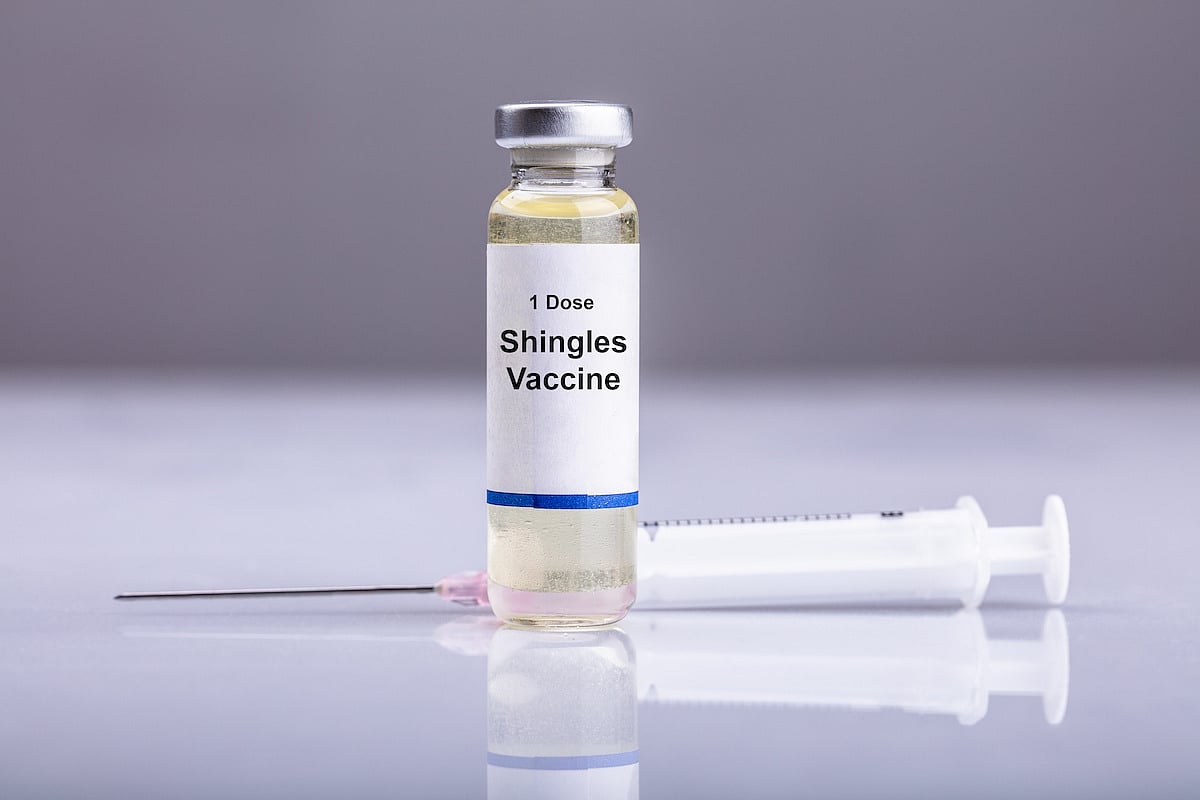
Shingles Vaccine Appears To Slow Aging In Seniors, Study Finds
The shingles vaccine can do more than simply protect folks from a maddening skin disease, new research shows.
Incredibly, the shingles jab also appears to slow down the aging process, contributing to slower biological aging in seniors, researchers reported.
People 70 and older who got the vaccine had less inflammation, fewer genetic signs of aging and slower overall biological aging, the study found.
“This study adds to emerging evidence that vaccines could play a role in promoting healthy aging by modulating biological systems beyond infection prevention,” lead investigator Jung Ki Kim, a research associate professor of gerontology at the University of Southern California, said in a news release.
For the new study, researchers analyzed data on more than 3,800 older Americans gathered as part of a federal study on health and retirement. About half of the participants said they’d gotten the shingles vaccine.
Participants provided blood samples that allowed the research team to test several different measures of biological aging, which tracks the wear-and-tear signs that can make a person older than their actual calendar age.
Shingles is a painful, blistering rash caused by the reactivation in later age of the chickenpox virus, researchers said in background notes. Anyone who’s had chickenpox can develop shingles, but the risk increases as a person’s immune system flags with aging.
The U.S. Centers for Disease Control and Prevention recommends that Americans 50 or older get the shingles vaccine, which comes in a two-dose regimen.
Researchers analyzed seven aspects of biological aging, including inflammation, immune responses, blood flow, brain aging and genetic aging.
On average, people vaccinated against shingles had significantly less inflammation, which the study noted is a well-known contributor to age-related health problems like heart disease, frailty and cognitive decline.
“By helping to reduce this background inflammation -- possibly by preventing reactivation of the virus that causes shingles, the vaccine may play a role in supporting healthier aging,” Kim said. “While the exact biological mechanisms remain to be understood, the potential for vaccination to reduce inflammation makes it a promising addition to broader strategies aimed at promoting resilience and slowing age-related decline.”
Vaccinated folks also had slower genetic signs of aging and lower scores on a composite test of biological aging, researchers said.
These potential benefits also appeared to last. Participants who got the vaccine four or more years prior to providing a blood sample still exhibited slower genetic and biological aging, compared to unvaccinated people.
“These findings indicate that shingles vaccination influences key domains linked to the aging process,” said senior researcher Eileen Crimmins, a professor of gerontology at the University of Southern California.
“While further research is needed to replicate and extend these findings, especially using longitudinal and experimental designs, our study adds to a growing body of work suggesting that vaccines may play a role in healthy aging strategies beyond solely preventing acute illness,” she said in a news release.
The new study was published Jan. 20 in the Journals of Gerontology, Series A: Biological Sciences and Medical Sciences.
More information
The U.S. Centers for Disease Control and Prevention has more on the shingles vaccine.
SOURCE: University of Southern California, news release, Jan. 20, 2026
